

Automobiles - Car Electrical System and Control System
Your vehicle's electrical system is a meticulously designed network of components, each playing a vital role in ensuring smooth operation and performance.

Happy Saturday!
Insight Trunk is a free lifetime library—a modern replacement for outdated encyclopedias. From Monday to Saturday, we deliver a 10-minute read on a specific subject, with fresh topics each week. Two years later, we revisit each theme with updated insights from our archives—so you’ll never miss a thing. You can unsubscribe anytime using the link at the bottom of this newsletter.
Today we will explore car Electrical System and Control System. Let’s get started!
🧑💻 In this week’s edition: Automobiles
Monday - Basics of Automobiles
Tuesday - Car Engines
Wednesday - Car Transmission and Drivetrain
Thursday - Car Suspension and Steering
Friday - Car Brakes
Saturday - Car Electrical System and Control System
Question of the day
What is the role of the alternator in a car's electrical system?
Let’s find out !
Car Electrical System and Control System
Let’s break it down in today discussion:
Electrical System Components
Electrical System Maintenance
Control Systems
General Maintenance
Read Time : 10 minutes
🚗Electrical System Components
Your vehicle’s electrical system is a meticulously designed network of components, each playing a vital role in ensuring smooth operation and performance. Here’s an in-depth exploration of these essential elements:
1. Battery:
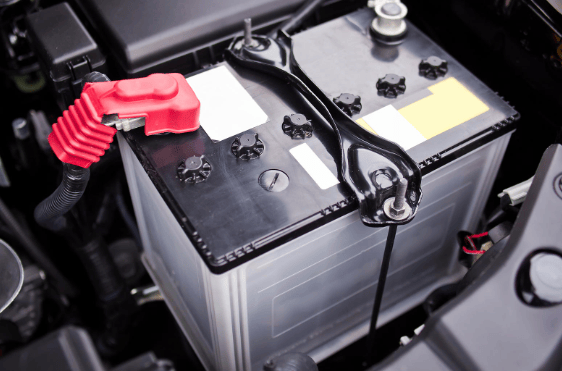
The battery serves as the primary power source for starting your vehicle and providing electricity when the engine is off. It stores chemical energy and converts it into electrical energy to initiate the engine’s combustion process and power various electrical accessories.
Lead-Acid Batteries: Most cars utilize lead-acid batteries, which consist of lead plates immersed in an electrolyte solution of sulfuric acid. These batteries are reliable and cost-effective but require periodic maintenance to check fluid levels and prevent corrosion.
Example: A typical car battery, such as a 12-volt lead-acid battery, delivers power to the starter motor to crank the engine and initiate combustion.
2. Alternator:
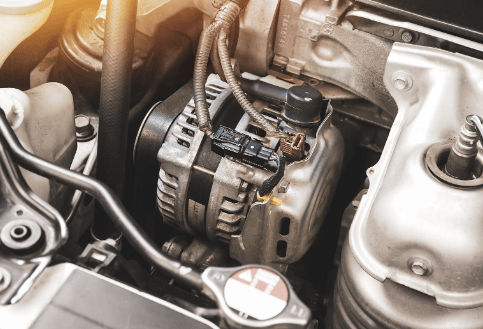
Once the engine is running, the alternator takes over the task of generating electricity and charging the battery. It converts mechanical energy from the engine’s rotation into electrical energy, which powers the vehicle’s electrical systems and accessories.
Alternator Design: Alternators consist of a rotor, stator, diodes, and voltage regulator. The rotor spins within a magnetic field generated by the stator, inducing an alternating current (AC), which is rectified into direct current (DC) by the diodes.
Output Voltage: Alternators typically produce around 13.5 to 14.5 volts to recharge the battery and supply power to the electrical system. Voltage regulation ensures a consistent output under varying engine speeds and electrical loads.
3. Starter Motor:
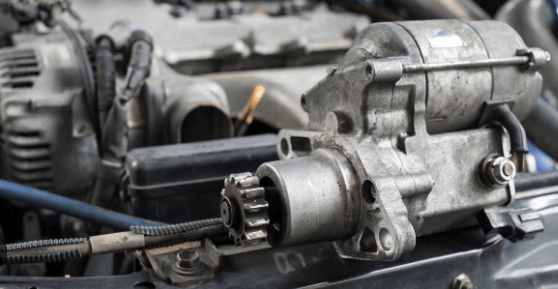
The starter motor is responsible for initiating the engine’s combustion process by turning the crankshaft until the engine fires up. It draws electrical power from the battery to engage the flywheel or flexplate and crank the engine.
Functionality: When you turn the ignition key, a small electric current energizes the starter solenoid, which engages the starter gear with the flywheel or flexplate. The starter motor then spins the engine until combustion begins.
Common Issues: Starter motors can suffer from wear and tear over time, leading to symptoms such as slow cranking or a clicking sound when attempting to start the engine. Faulty electrical connections or a weak battery can also affect starter performance.
4. Wiring Harness:
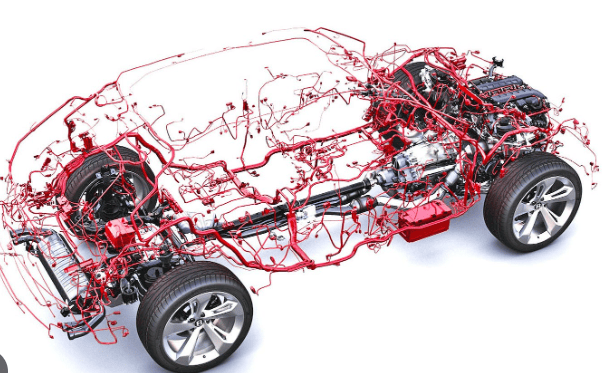
The wiring harness serves as the backbone of the electrical system, connecting all electrical components and ensuring proper communication and power distribution throughout the vehicle.
Construction: Wiring harnesses consist of insulated wires, connectors, and protective sheathing, organized into various circuits to route power to specific components.
Diagnosis and Repair: When troubleshooting electrical issues, inspecting the wiring harness for damaged insulation, loose connections, or corrosion is crucial. Repairs may involve splicing wires, replacing connectors, or even replacing sections of the harness if necessary.
Understanding these key components of your vehicle’s electrical system empowers you to recognize their importance and perform necessary maintenance and troubleshooting procedures effectively. Regular inspections and proactive maintenance ensure optimal performance and reliability, enhancing your driving experience and safety on the road.
🚘️ Electrical System Maintenance
Regular maintenance of your vehicle’s electrical system is paramount to ensure reliable performance and prevent unexpected failures. Here’s a comprehensive guide to conducting essential maintenance tasks:
1. Battery Checks/Replacement:
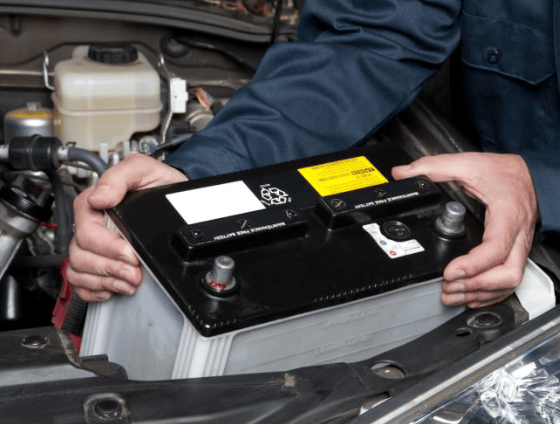
Regular inspection of the battery is essential to ensure proper function and prevent starting issues. Follow these steps:
Visual Inspection: Check for signs of corrosion on the battery terminals and cables. Corrosion can impede electrical conductivity and lead to starting problems.
Voltage Testing: Measure the battery voltage using a multimeter. A fully charged battery should read around 12.6 volts. If the voltage is significantly lower, the battery may require recharging or replacement.
Load Testing: Perform a load test to assess the battery’s ability to deliver power under load. A failing battery may struggle to maintain voltage when subjected to a load, indicating the need for replacement.
2. Alternator Testing:
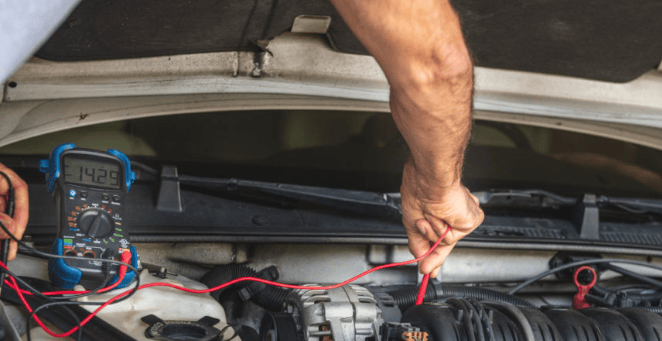
The alternator plays a crucial role in charging the battery and powering the vehicle’s electrical systems. Here’s how to test its function:
Voltage Output: Use a multimeter to measure the alternator’s output voltage with the engine running. It should typically read between 13.5 and 14.5 volts. A voltage outside this range may indicate a faulty alternator or voltage regulator.
Diode Ripple Test: Perform a diode ripple test to check for AC voltage ripple, which can indicate faulty diodes within the alternator. Excessive ripple can lead to electrical system malfunctions and battery degradation.
3. Starter Motor Inspection:
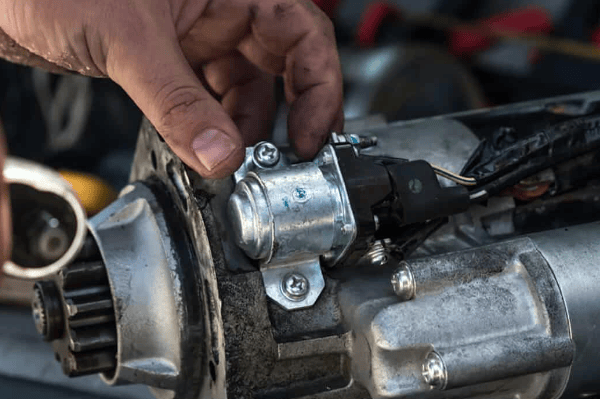
The starter motor is critical for initiating the engine’s combustion process. Here’s how to inspect it:
Audible Inspection: Listen for any unusual noises, such as grinding or clicking, when attempting to start the engine. These noises may indicate worn-out starter motor components or improper engagement with the flywheel.
Visual Inspection: Examine the starter motor and associated wiring for signs of damage, corrosion, or loose connections. Faulty electrical connections can prevent the starter motor from receiving sufficient power to crank the engine.
4. Fuse Checks/Replacement:
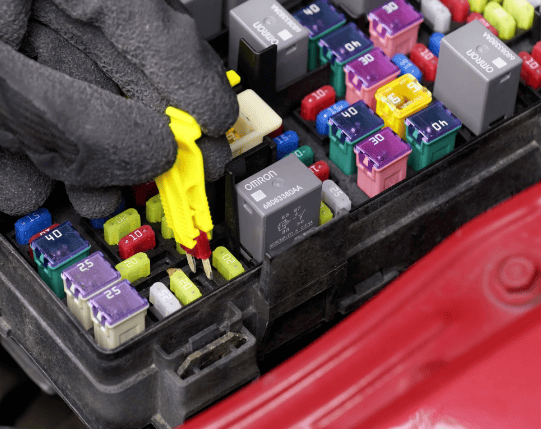
Fuses protect electrical circuits from overloads and short circuits by breaking the circuit when excessive current flows. Here’s how to inspect and replace fuses:
Visual Inspection: Check the fuse box for any blown fuses. Blown fuses can be identified by a broken filament or discoloration. Replace any blown fuses with ones of the same rating.
Circuit Testing: Use a multimeter to test continuity across the fuse. A lack of continuity indicates a blown fuse that requires replacement.
By performing these maintenance tasks regularly, you can ensure the optimal performance and longevity of your vehicle’s electrical system. Identifying and addressing potential issues promptly can prevent costly repairs and downtime, allowing you to enjoy a smooth and trouble-free driving experience.
🚔️ Control Systems
Modern vehicles incorporate sophisticated control systems to optimize performance, enhance safety, and improve overall driving experience. Here’s an in-depth look at these advanced control mechanisms:
1. Engine Control Unit (ECU):
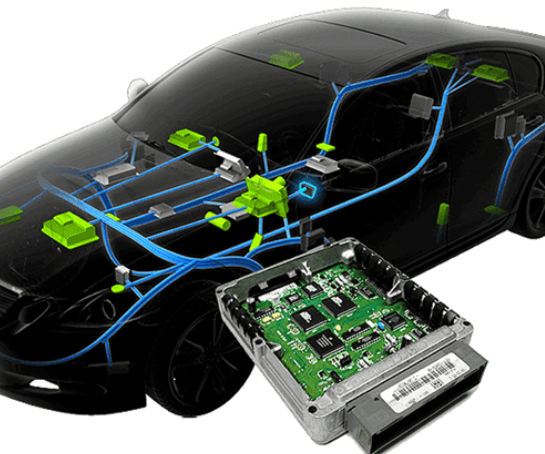
The Engine Control Unit (ECU) serves as the brain of the vehicle’s engine management system, overseeing various functions to ensure optimal performance and efficiency. Key features include:
Fuel Injection Control: The ECU regulates fuel delivery to the engine cylinders based on factors such as engine speed, load, and temperature, optimizing fuel combustion for efficiency and emissions control.
Ignition Timing Control: By adjusting the timing of spark ignition, the ECU maximizes engine power output while minimizing emissions and preventing engine knock.
Emissions Control: The ECU monitors exhaust gas composition and adjusts fuel injection and ignition timing to meet emissions standards while maintaining engine performance.
2. Transmission Control Unit (TCU):
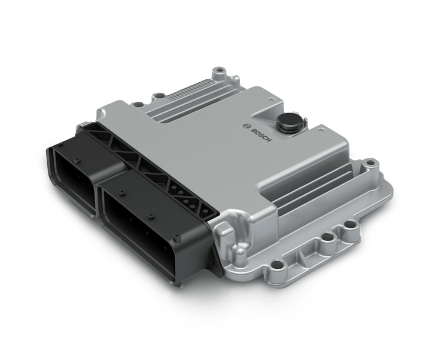
The Transmission Control Unit (TCU) manages the operation of automatic transmissions, optimizing gear shifting for smooth acceleration, fuel efficiency, and performance. Key functions include:
Shift Timing Control: The TCU determines when to upshift or downshift gears based on factors such as vehicle speed, engine load, and throttle position, ensuring smooth and timely gear changes.
Adaptive Shift Algorithms: Modern TCUs incorporate adaptive shift algorithms that learn and adapt to the driver’s driving style, optimizing gear selection for enhanced driving comfort and performance.
Torque Converter Lockup Control: The TCU controls the engagement of the torque converter lockup clutch to minimize slippage and improve transmission efficiency at cruising speeds.
3. Electronic Stability Control (ESC):
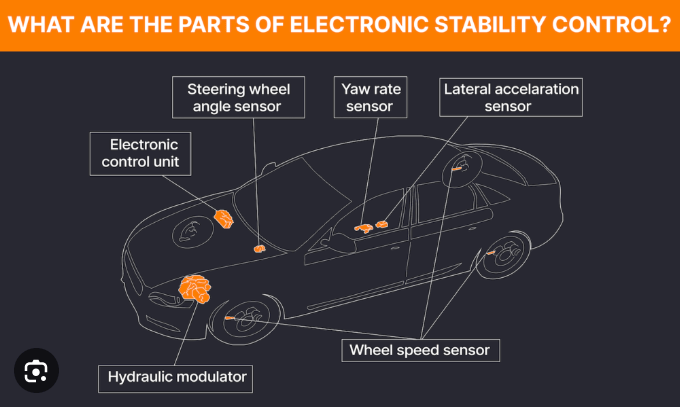
Electronic Stability Control (ESC) is a safety feature that helps prevent loss of control during cornering or slippery road conditions by selectively applying brakes and modulating engine power. Key functions include:
Traction Control: ESC detects wheel slip during acceleration and applies braking force to the slipping wheels while reducing engine power to maintain traction and stability.
Stability Enhancement: ESC detects vehicle yaw and lateral acceleration, intervening to stabilize the vehicle by applying brakes to individual wheels and adjusting engine power to counteract oversteer or understeer.
Roll Stability Control: Some ESC systems incorporate roll stability control algorithms to prevent rollover accidents by selectively applying brakes and reducing engine power during high-speed maneuvers.
4. Advanced Driver-Assistance Systems (ADAS):
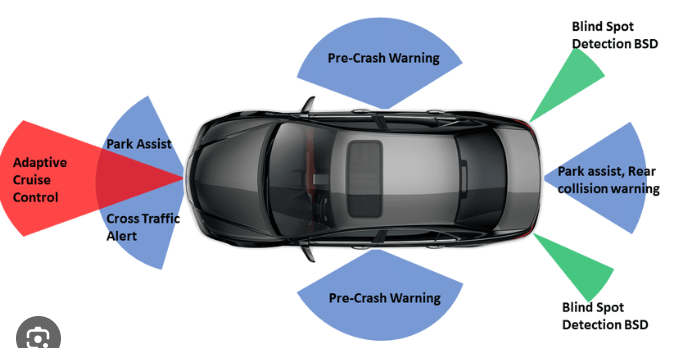
ADAS encompasses a range of features designed to assist drivers and enhance safety through automation and sensor-based technologies. Key ADAS features include:
Adaptive Cruise Control: Automatically adjusts vehicle speed to maintain a safe following distance from the vehicle ahead, using radar or camera sensors to monitor traffic conditions.
Lane Departure Warning: Alerts the driver if the vehicle drifts out of its lane without signaling, helping prevent unintended lane departures and potential collisions.
Automatic Emergency Braking: Detects imminent collision risks and automatically applies the brakes to mitigate or prevent a collision, enhancing safety in emergency situations.
Understanding these advanced control systems empowers drivers to leverage technology to enhance safety, performance, and overall driving experience. By embracing these innovations and staying informed about their capabilities, drivers can enjoy greater confidence and convenience on the road.
🚔️ General Maintenance
Effective general maintenance is key to ensuring the longevity, reliability, and safety of your vehicle. Here’s a detailed overview of essential maintenance tasks that every vehicle owner should prioritize:
1. Fluid Checks:
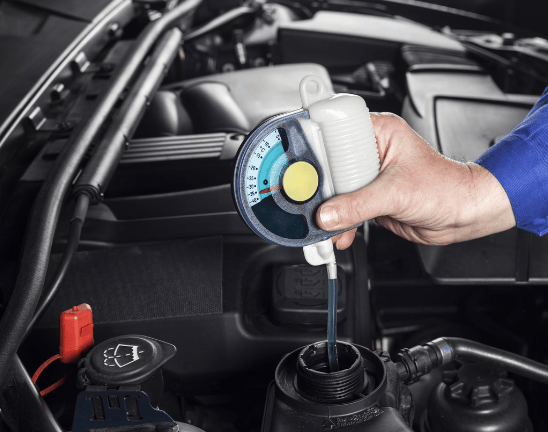
Regular monitoring and replenishment of fluids are crucial for optimal vehicle performance and longevity. Here are the main fluids to inspect:
Engine Oil: Check engine oil levels regularly using the dipstick and top up as needed. Change the oil and oil filter at intervals recommended by the manufacturer to maintain engine lubrication and prevent wear.
Coolant: Inspect coolant levels in the reservoir and top up with a mixture of coolant and water as necessary to prevent engine overheating and corrosion. Flush and replace coolant according to the manufacturer’s schedule to maintain cooling system efficiency.
Brake Fluid: Check brake fluid levels and condition periodically, ensuring it remains within the recommended range and free from contamination. Replace brake fluid at intervals specified by the manufacturer to maintain brake system performance and prevent moisture buildup.
2. Tire Maintenance:
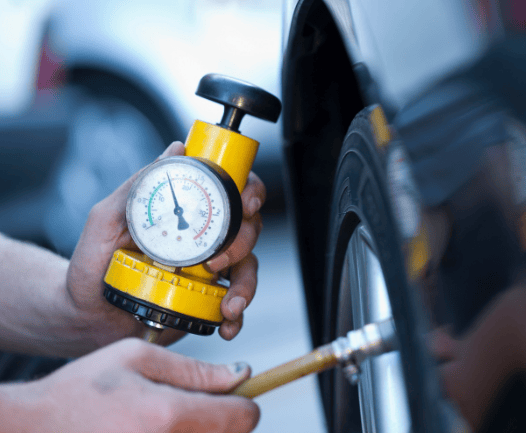
Proper tire maintenance is essential for safety, fuel efficiency, and tire longevity. Here’s what you should do:
Tire Pressure: Check tire pressure regularly using a tire pressure gauge and inflate to the recommended PSI specified by the vehicle manufacturer. Incorrect tire pressure can affect handling, fuel economy, and tire wear.
Tread Wear: Inspect tire tread depth regularly and replace tires when the tread depth reaches the minimum legal limit or shows signs of uneven wear. Bald tires compromise traction and increase the risk of hydroplaning and loss of control.
Rotation and Alignment: Rotate tires at regular intervals to promote even wear and maximize tire life. Additionally, schedule wheel alignment checks to ensure proper tire alignment, which improves handling and prevents premature tire wear.
3. Filter Replacements:
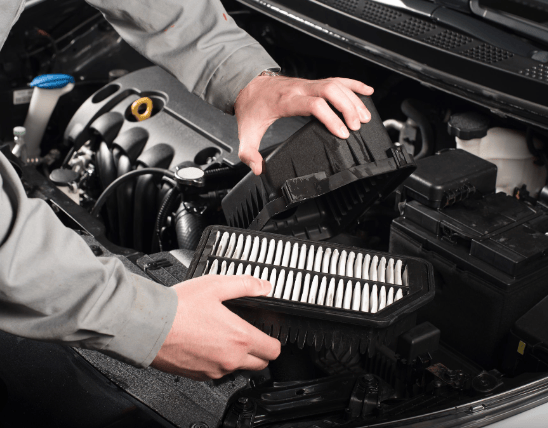
Filters play a crucial role in maintaining engine performance, fuel efficiency, and air quality within the vehicle cabin. Here’s what you need to know:
Air Filter: Inspect and replace the engine air filter regularly to prevent contaminants from entering the engine and impairing performance. A clogged air filter restricts airflow and can lead to reduced power and fuel efficiency.
Oil Filter: Change the oil filter whenever you perform an oil change to remove contaminants and ensure clean oil circulation throughout the engine. A dirty oil filter can compromise engine lubrication and lead to premature wear.
Fuel Filter: Replace the fuel filter at recommended intervals to prevent fuel contamination and maintain optimal fuel system performance. A clogged fuel filter can restrict fuel flow and cause engine hesitation or stalling.
4. Regular Servicing Schedules:
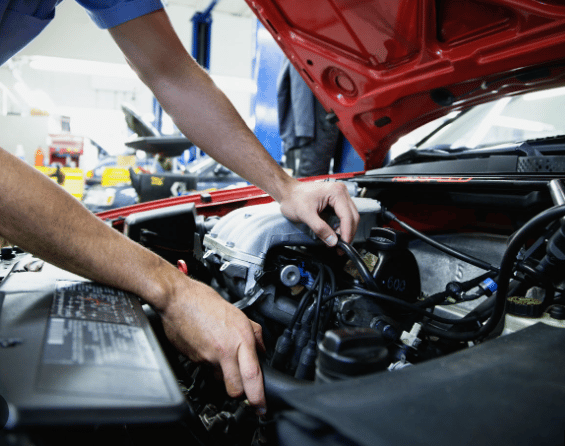
Adhering to the manufacturer’s recommended servicing schedule is essential for comprehensive maintenance and early detection of potential issues. Scheduled servicing typically includes:
Inspections: Comprehensive vehicle inspections to identify wear and tear, fluid leaks, and potential safety concerns.
Fluid Changes: Scheduled replacements of engine oil, coolant, brake fluid, and other vital fluids according to mileage or time intervals.
Component Checks: Evaluation of critical components such as brakes, suspension, steering, and exhaust systems to ensure proper function and safety.
By prioritizing these general maintenance tasks and following recommended schedules, you can keep your vehicle in optimal condition, minimize the risk of breakdowns, and enjoy a safe and reliable driving experience for years to come.
Summary
Electrical System Components:
Battery: Heart of the electrical system, provides initial power for starting.
Alternator: Generates electricity to power systems and recharge the battery.
Starter Motor: Initiates engine combustion by cranking the engine.
Wiring Harness: Connects electrical components for seamless communication.
Electrical System Maintenance:
Regular battery checks and replacements ensure reliable starting.
Alternator testing ensures proper charging and electrical system function.
Starter motor inspection prevents starting issues.
Fuse checks and replacements prevent electrical failures.
Control Systems:
Engine Control Unit (ECU) manages engine functions for performance and efficiency.
Transmission Control Unit (TCU) optimizes gear shifting for smooth operation.
Electronic Stability Control (ESC) enhances vehicle stability during maneuvers.
Advanced Driver-Assistance Systems (ADAS) improve safety and convenience.
General Maintenance:
Fluid checks (oil, coolant, brake fluid) maintain proper levels and performance.
Tire maintenance (pressure, tread wear) ensures safety and efficiency.
Filter replacements (air, oil, fuel) prevent contamination and optimize engine function.
Regular servicing schedules address wear and tear, ensuring long-term reliability.
Answer of the day
What is the role of the alternator in a car's electrical system?
Charges the battery.
The alternator converts mechanical energy from the engine into electrical power, charging the battery and supplying electricity to the vehicle's components. It ensures a constant flow of power to support essential functions like lighting, ignition, and electronic systems, sustaining the car's operation.
That’s A Wrap!
Want to take a break? You can unsubscribe anytime by clicking “unsubscribe” at the bottom of your email.